
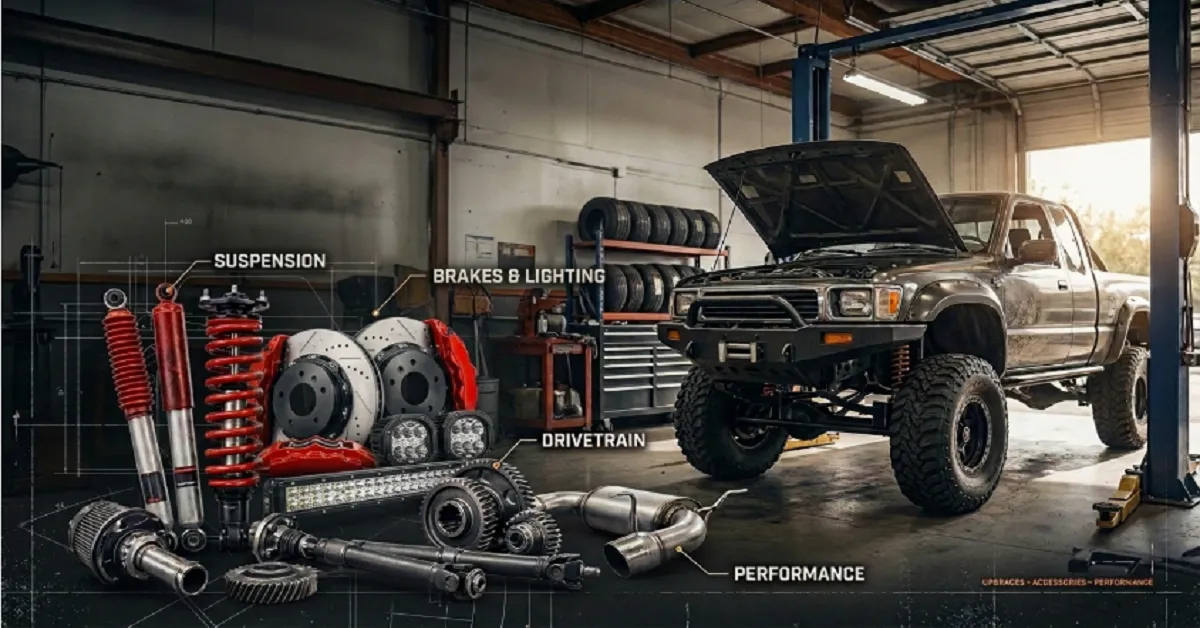
How to Choose the Right Truck Parts for Better Fit Safety and Long-Term Performance
Work trucks can handle all manner of tasks, from hauling…

How to Choose the Right Truck Bumper: A Practical Guide to Safety, Fit, and Durability
A truck bumper is a multifunctional tool. It can protect…

The Range Number on That Scooter Spec Sheet Is Mostly Fiction
A friend bought a scooter last spring advertised at 60…

How to Upgrade Your UTV with the Right Windshield Setup
A stock UTV can feel perfectly fine on a short…

A Complete Guide to Upgrading Your Work Truck with a Heavy-Duty Flatbed Conversion
For businessmen, farm workers, and site builders, normal factory pickup…
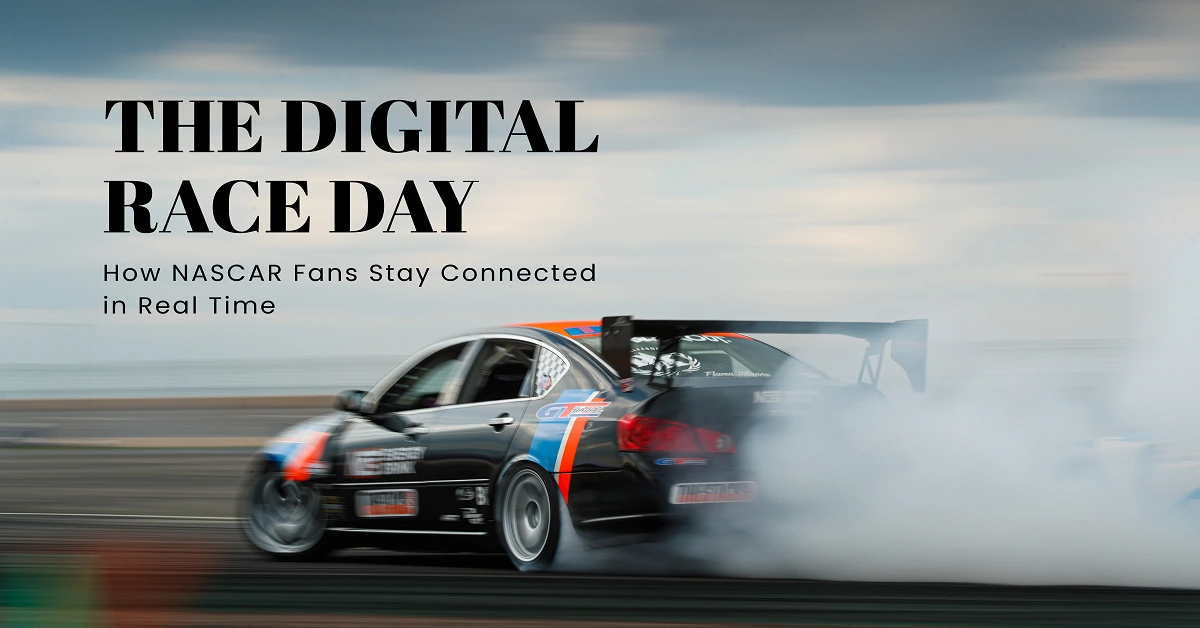
The Digital Race Day: How NASCAR Fans Stay Connected in Real Time
Watching a NASCAR race used to mean relying almost entirely…
UNDERSTANDING MOTORSPORT COMPANY INFORMATION SYSTEMS
Why Company Contact Transparency Matters in Motorsport Industries
Within global motorsport industries, business transparency plays a central role in operational credibility, sponsorship development, regulatory communication, and public trust. Motorsport organizations interact with manufacturers, racing authorities, suppliers, media representatives, investors, and fan communities across multiple regions. Because these relationships involve technical coordination and commercial obligations, accurate company contact information becomes an important part of professional infrastructure. Motorsport entities often maintain official websites, registered offices, media communication systems, and structured inquiry channels to ensure communication remains organized and traceable.
Organizations such as IodaRacing operate within a competitive environment where technical collaboration and international communication occur continuously. In this context, stakeholders often search for verified business details before initiating commercial discussions or media requests. The ability to identify official communication pathways helps reduce misinformation and improves confidence in organizational legitimacy. This is one reason why terms related to the company iodaracing address and official contact systems frequently appear in online searches connected to motorsport organizations.
Transparency also contributes to legal and operational accountability. Motorsport companies regularly engage with governing bodies, event organizers, logistics providers, and engineering partners. Publicly available contact structures allow external organizations to direct requests toward the appropriate departments while maintaining formal communication standards. A clearly structured contact page, official email directory, or registered business location demonstrates that a racing organization values administrative accessibility alongside competitive performance.
Digital communication has further increased the importance of accessible business information. Motorsport fans, journalists, sponsors, and researchers commonly use online search engines to locate official contact channels. Accurate contact systems help distinguish verified organizational communication from unofficial fan-created content or outdated information. In many cases, users evaluate a motorsport company’s professionalism based on the clarity of its digital communication structure, including addresses, ownership references, and email management systems.
Another important factor involves international business operations. Racing organizations often work across countries, requiring multilingual communication and regional compliance procedures. Structured contact systems simplify collaboration with foreign partners and reduce delays in operational coordination. Motorsport companies that maintain accessible contact frameworks are generally better positioned to manage long-term commercial relationships within highly competitive international racing environments.
The Role of Official Business Addresses in Racing Organizations
- Official business addresses help racing organizations maintain regulatory compliance while supporting formal correspondence with sponsors, suppliers, legal representatives, and motorsport authorities operating across multiple jurisdictions.
- Stakeholders searching for the company iodaracing address often seek verification regarding operational legitimacy, organizational registration, and the existence of identifiable administrative infrastructure connected to motorsport activities.
- Motorsport organizations use registered office locations to coordinate contractual documentation, financial administration, technical operations, and communication with governing institutions involved in racing championships and licensing systems.
- Public business addresses contribute to transparency by allowing journalists, investors, and commercial partners to identify where official organizational management and administrative activities are conducted professionally.
- Racing companies frequently separate workshop facilities from administrative offices, making official address publication important for distinguishing technical operations from corporate communication departments and legal registration records.
- Accurate address information assists logistics coordination involving race equipment, technical components, hospitality infrastructure, promotional materials, and international shipping activities associated with professional motorsport competition.
- Search visibility related to the company iodaracing address reflects broader public interest in understanding how racing organizations structure operational communication and official business identification procedures online.
- Motorsport entities maintaining updated location information often improve stakeholder confidence because verified addresses indicate long-term operational planning, organizational continuity, and structured business administration practices.
Ownership Identification and Public Business Information
Ownership visibility remains an important component of business credibility in professional motorsport environments. Racing organizations often depend on investor confidence, manufacturer relationships, and sponsor partnerships that require clear identification of organizational leadership structures. Public ownership information assists external stakeholders in understanding who directs commercial operations, manages financial responsibilities, and oversees strategic decision-making within the company.
When users search for owner company iodaracing address information, they are typically attempting to verify organizational authenticity or understand the broader management framework behind the racing entity. Ownership identification also supports transparency in media reporting, regulatory filings, and commercial agreements. Motorsport organizations operate in financially demanding environments, making administrative clarity increasingly important for long-term sustainability and operational trust.
In many cases, ownership structures evolve over time due to sponsorship changes, investment partnerships, or competitive restructuring. As a result, historical and current ownership references may appear across different business records, motorsport publications, and archived organizational materials. Companies that maintain consistent communication regarding ownership and administrative information often experience stronger credibility within professional racing industries.
- Ownership identification helps motorsport organizations establish accountability regarding financial obligations, contractual agreements, strategic planning decisions, and long-term participation within international racing championships.
- Users searching owner company iodaracing address details often expect publicly accessible information that clarifies administrative leadership and organizational registration connected to motorsport operations.
- Motorsport companies frequently separate operational management responsibilities between technical directors, financial administrators, and executive ownership structures to improve internal organizational efficiency and oversight.
- Public business information contributes to media transparency because journalists and researchers regularly analyze ownership structures when evaluating organizational development within competitive racing environments.
- Verified ownership references may assist sponsors and investors evaluating partnership opportunities by providing insight into management continuity, operational stability, and administrative credibility across racing activities.
- Racing organizations sometimes publish ownership-related details through official announcements, corporate records, or website communication pages supporting stakeholder understanding of administrative structures.
How Motorsport Websites Organize Contact Infrastructure
Modern motorsport websites are designed to manage communication efficiently across diverse audiences, including fans, sponsors, media representatives, technical suppliers, and governing authorities. Because racing organizations often receive inquiries related to sponsorship opportunities, ticketing, engineering collaboration, press accreditation, and merchandise support, structured contact infrastructure becomes essential for operational organization. Motorsport websites therefore commonly separate communication categories into dedicated departments or inquiry channels.
A typical contact framework includes official email forms, media relations pages, legal notices, privacy sections, and organizational address details. These systems help reduce communication delays by directing inquiries toward appropriate personnel. In professional racing environments, efficient communication infrastructure contributes to smoother event coordination and stronger commercial relationships. Motorsport companies often prioritize structured digital communication because racing schedules require rapid operational responsiveness across international locations.
Contact infrastructure also reflects broader organizational identity. A well-organized website demonstrates administrative professionalism and provides reassurance to commercial stakeholders evaluating partnership opportunities. Motorsport audiences frequently assess company legitimacy based on website clarity, accessibility, and transparency. Clear navigation systems allow users to locate address information, contact categories, and organizational details without confusion or excessive searching.
Another important factor involves mobile accessibility. Motorsport audiences increasingly access websites through smartphones during race weekends and live events. Companies therefore optimize contact infrastructure for responsive digital environments, ensuring users can access inquiry systems, addresses, and communication pages efficiently across devices. Motorsport organizations with outdated or fragmented communication systems may experience reduced engagement from sponsors, media professionals, and international stakeholders seeking reliable business interaction.
Digital privacy regulations have also influenced website communication structures. Motorsport organizations operating internationally must comply with evolving data protection standards affecting contact forms, email storage, and customer communication procedures. As a result, many racing companies integrate consent notices, data policies, and secure inquiry systems into their official websites. These adjustments help protect user information while supporting responsible business communication practices across competitive motorsport industries.
Importance of Official Email Communication Channels
- Official email systems help motorsport organizations manage structured communication with sponsors, journalists, suppliers, governing authorities, and commercial stakeholders requiring documented professional correspondence procedures.
- Users searching emails info iodaracing generally expect reliable communication pathways connected to verified organizational departments handling administrative, technical, or media-related inquiries professionally.
- Email communication supports traceable documentation, allowing racing organizations to maintain archived records associated with sponsorship negotiations, operational logistics, contractual agreements, and regulatory coordination processes.
- Motorsport companies frequently separate communication categories through dedicated addresses for press relations, commercial partnerships, technical support, and general customer interaction responsibilities.
- Centralized email infrastructure improves response management by reducing communication overlap and ensuring inquiries reach personnel responsible for specific organizational functions or operational departments.
- Professional email domains contribute to credibility because stakeholders often evaluate organizational legitimacy based on consistent branding across digital communication systems and official correspondence practices.
- Racing organizations managing international operations depend heavily on email communication because global coordination requires documented exchanges involving travel schedules, technical specifications, and event administration.
- Accurate emails info iodaracing references can assist researchers and commercial entities attempting to identify current communication structures connected to historical or active motorsport operations.
IODARACING COMPANY OVERVIEW
Introduction to IodaRacing as a Motorsport Organization
IodaRacing developed recognition within international motorcycle racing environments through participation in professional motorsport competition and technical project management. The organization became associated with Grand Prix motorcycle racing categories, where independent teams often compete alongside manufacturer-backed operations. Like many racing organizations operating within elite motorsport environments, IodaRacing combined engineering activity, competitive management, sponsorship coordination, and logistical administration within a highly demanding industry structure.
Motorcycle racing organizations typically operate through interconnected technical and commercial systems. Engineering development, rider management, transportation planning, and media communication all contribute to the broader operational identity of a racing company. IodaRacing functioned within this environment by maintaining organizational structures capable of supporting race participation and external stakeholder interaction. Motorsport teams often depend on efficient administrative coordination because race calendars involve international movement and continuous technical preparation.
Public interest in company identity and communication systems frequently increases when racing organizations participate in internationally recognized championships. Fans, researchers, journalists, and commercial stakeholders often search for official company details, contact systems, and organizational background information to better understand operational structures. Search interest connected to iodaracing contacts and business communication reflects broader curiosity regarding the administrative side of professional racing organizations.
Like many motorsport entities, IodaRacing’s digital presence contributed significantly to public accessibility. Racing organizations increasingly rely on official websites and communication platforms to present team updates, sponsorship information, technical announcements, and organizational contact details. Digital infrastructure therefore becomes part of the company’s broader business identity. Motorsport organizations without structured communication systems may struggle to maintain consistent engagement with commercial stakeholders and public audiences.
The operational environment surrounding motorcycle racing is highly competitive and financially intensive. Teams often collaborate with technical suppliers, engine manufacturers, event organizers, and sponsors across multiple countries. Because of these relationships, motorsport organizations generally maintain formal communication structures supporting professional interaction and administrative coordination. IodaRacing’s organizational identity can therefore be understood within the wider context of international motorsport business operations and racing management systems.
Company Website IodaRacing and Digital Presence
- The company website iodaracing represented an important communication platform supporting organizational visibility, motorsport branding, and stakeholder interaction across competitive international racing environments.
- Motorsport websites frequently provide historical team information, sponsorship references, media content, and administrative communication systems intended to support professional public engagement activities.
- Users searching company website iodaracing often seek official organizational details connected to team operations, racing participation history, and publicly accessible business communication channels.
- The company website iodaracing address commonly functions as a navigation reference for individuals attempting to identify official online sources associated with motorsport organizational identity.
- Digital presence plays an important role within motorsport industries because sponsors, media representatives, and technical collaborators evaluate organizational professionalism through online communication standards.
- Racing organizations frequently update website infrastructure to improve mobile accessibility, search visibility, and multilingual communication capabilities supporting broader international audience engagement.
- The company website iodaracing address may also appear within archived motorsport references, historical race materials, or business records connected to previous organizational communication systems.
- Company website iodaracing communication structures generally reflect broader operational priorities involving transparency, accessibility, and administrative organization within competitive racing industries.
Contact IodaRacing Blog and Informational Communication
Digital content platforms have become increasingly important within motorsport communication strategies. Racing organizations often maintain informational sections, news updates, or blog-style communication pages that support interaction with fans, sponsors, and media audiences. These communication tools provide insight into organizational developments while also strengthening public visibility and brand continuity. Motorsport entities frequently use such platforms to explain operational updates, racing schedules, sponsorship activity, and technical announcements.
The concept of a contact iodaracing blog reflects the growing connection between informational publishing and structured communication management. Motorsport audiences often expect official platforms to include both informational content and accessible inquiry pathways. Combining communication systems with informational publishing helps organizations maintain transparency while reducing confusion regarding official announcements or organizational identity.
Informational communication also contributes to historical documentation within racing industries. Archived blog entries, news articles, and organizational updates frequently become reference materials for researchers, journalists, and motorsport enthusiasts analyzing team development and operational history. Motorsport organizations that maintain organized informational archives often strengthen long-term visibility within competitive racing culture.
- A contact iodaracing blog structure may help consolidate announcements, communication guidance, organizational updates, and informational content within a centralized digital environment for stakeholders.
- Motorsport blogs frequently support media transparency by providing official references connected to race participation, sponsorship changes, rider announcements, and technical project developments.
- Informational publishing systems often improve search visibility because audiences regularly seek updated organizational communication rather than relying on unofficial third-party commentary sources.
- Racing organizations may integrate inquiry forms or contact references directly into informational content pages to simplify stakeholder communication and administrative accessibility.
- Contact iodaracing blog searches can reflect user interest in archived racing information, organizational announcements, or historical communication associated with team management structures.
- Motorsport communication platforms frequently balance promotional visibility with administrative functionality by combining informational publishing systems and structured organizational contact frameworks.
IodaRacing Contacts and Business Communication Structure
Business communication structures within motorsport organizations are designed to manage complex operational demands involving technical coordination, media interaction, sponsorship relationships, and logistical administration. In the case of IodaRacing, public interest surrounding iodaracing contacts reflects broader curiosity regarding how racing entities organize professional communication systems. Motorsport organizations frequently operate through layered administrative frameworks where different departments manage distinct categories of external communication.
A structured communication system helps reduce operational inefficiencies. Racing organizations receive inquiries from journalists seeking accreditation, sponsors evaluating partnership opportunities, suppliers coordinating technical deliveries, and fans requesting informational assistance. Without organized communication channels, response management becomes inconsistent and difficult to maintain. Motorsport companies therefore often separate media communication, business administration, and technical coordination into identifiable contact categories.
Communication structures also support organizational credibility. Stakeholders are generally more confident engaging with companies that maintain professional inquiry systems and accessible business information. Clearly presented iodaracing contacts or equivalent communication references allow external audiences to distinguish official organizational communication from unofficial fan-generated discussions or outdated information sources.
International racing operations create additional communication complexity. Motorsport organizations may coordinate with partners across multiple countries, requiring efficient digital communication methods and reliable documentation systems. Structured email management, contact forms, and departmental routing processes become important components of administrative continuity. Racing entities operating in global championships depend on communication accuracy because event schedules, sponsorship obligations, and technical coordination require timely responses and documented exchanges.
Another important consideration involves digital archiving. Motorsport organizations frequently maintain historical communication materials, press releases, and public announcements for future reference. Structured contact systems support record management while improving transparency regarding organizational activity. Researchers and media professionals often rely on archived communication structures to analyze operational development and business identity within professional racing environments.
Email Contact IodaRacing Systems Explained
- Email contact iodaracing systems likely supported communication between administrative personnel, technical departments, sponsors, media representatives, and operational stakeholders within motorsport environments.
- Structured iodaracing email contacts help organizations categorize inquiries efficiently while maintaining documented communication records associated with business operations and external correspondence responsibilities.
- Motorsport organizations frequently implement dedicated communication addresses separating commercial inquiries, press requests, sponsorship discussions, and technical coordination activities for improved administrative organization.
- Professional email domains contribute to digital consistency because stakeholders generally associate branded communication systems with organizational authenticity and operational credibility.
- Users searching emails contact iodaracing information often seek direct communication pathways connected to verified organizational departments rather than unofficial third-party communication sources.
- Iodaracing email contacts may have functioned as central coordination tools supporting race logistics, transportation planning, supplier interaction, and regulatory documentation processes across international events.
- Motorsport communication systems increasingly incorporate automated routing tools designed to improve inquiry management efficiency and reduce delays associated with high-volume correspondence activity.
- Accurate email contact iodaracing references remain important for researchers, historians, and motorsport professionals attempting to understand organizational communication structures connected to racing operations.

ADDRESS, LOCATION & COMPANY IDENTIFICATION
Local Address IodaRacing Company Information Structure
The identification of official business locations represents an important aspect of organizational transparency within motorsport industries. Racing organizations frequently maintain administrative offices, technical facilities, storage locations, and operational workshops that collectively support competitive activity. Public interest surrounding local address iodaracing company information reflects broader efforts by stakeholders to verify organizational identity and administrative legitimacy within professional racing environments.
Business addresses help define operational structure. Motorsport entities often use registered office locations for legal correspondence, contractual documentation, sponsorship communication, and regulatory administration. These addresses may differ from technical workshops or race preparation facilities, depending on how the organization structures operational responsibilities. Clear distinction between administrative and technical locations improves communication efficiency and reduces confusion among external stakeholders.
Local address iodaracing company searches may also originate from historical research interests. Motorsport enthusiasts, journalists, and researchers frequently examine organizational records connected to racing history, team management evolution, and operational development. Address information contributes to broader understanding regarding where organizational activities were coordinated and how administrative infrastructure supported competitive participation.
Digital visibility has increased the importance of accurate address presentation. Search engines often display location-related references directly within search results, making address consistency important for organizational credibility. Motorsport organizations that maintain updated location information generally improve public trust because stakeholders can more easily identify official communication sources and verify business identity.
Another relevant factor involves commercial partnerships. Sponsors and suppliers commonly evaluate operational legitimacy before entering business relationships with racing organizations. Publicly accessible location information contributes to professional transparency and demonstrates organizational accountability. In industries involving significant financial investment and international logistics, visible administrative infrastructure supports stronger commercial confidence.
Motorsport organizations also operate within legal and regulatory frameworks requiring identifiable business registration. Official location references may therefore appear within licensing records, corporate documentation, or commercial filings associated with racing participation. As a result, address information functions not only as a communication tool but also as part of the broader organizational identity connected to motorsport operations.
Local Address IodaRacing Website Navigation Patterns
- Local address iodaracing website searches often indicate user intent focused on verifying organizational legitimacy and identifying official administrative communication pathways connected to motorsport operations.
- Motorsport websites commonly place address information within footer sections, contact pages, privacy notices, or corporate information categories supporting simplified digital navigation experiences.
- Users navigating local address iodaracing website content generally expect clearly structured menus directing them toward official business identification and communication resources.
- Racing organizations frequently organize digital navigation systems to separate operational news content from formal business information and administrative contact infrastructure components.
- Website navigation patterns influence stakeholder trust because transparent access to company location information demonstrates organizational openness and communication accountability standards.
- Motorsport entities increasingly optimize navigation systems for mobile accessibility, ensuring users can efficiently locate address references and contact resources across digital devices.
- Local address iodaracing website visibility may contribute to improved search relevance by aligning organizational information with user expectations regarding business transparency and accessibility.
- Structured navigation architecture helps racing organizations reduce confusion between official communication systems and unofficial motorsport discussion platforms existing across broader online environments.
Contact Address IodaRacing Website User Intent Analysis
Search behavior connected to contact address iodaracing website queries demonstrates how digital audiences interact with motorsport business information online. Users often combine address-related search terms with organizational identifiers because they seek direct access to official company details rather than general racing commentary. This pattern reflects broader trends within digital information behavior, where stakeholders prioritize verified communication sources connected to professional organizations.
Motorsport organizations attract diverse audiences with different informational objectives. Sponsors may search for administrative contact systems, journalists may seek media coordination channels, and fans may attempt to locate official communication references. Search intent therefore varies significantly depending on the user’s relationship with the organization. Understanding these patterns helps explain why racing entities invest in structured website communication systems and searchable business information.
Contact address iodaracing website searches may also indicate efforts to verify historical or archived organizational information. Motorsport history researchers frequently analyze team evolution, operational identity, and business structure using publicly accessible records and digital references. Website address searches contribute to broader efforts aimed at confirming organizational authenticity and communication continuity.
- Contact address iodaracing website searches commonly reflect user expectations regarding official communication accessibility and transparent organizational identification within motorsport environments.
- Motorsport organizations benefit from searchable contact systems because users often prioritize direct access to verified administrative information rather than secondary informational sources online.
- Search intent analysis helps explain why racing entities structure websites around simplified navigation categories supporting communication efficiency and business transparency objectives.
- Users investigating motorsport organizations frequently compare website communication quality when evaluating operational credibility, sponsorship professionalism, and administrative consistency standards.
- Contact address iodaracing website visibility may improve stakeholder confidence by reducing uncertainty regarding official inquiry procedures and organizational communication legitimacy.
- Motorsport digital strategies increasingly incorporate search optimization principles ensuring business information remains accessible through commonly used organizational search terminology patterns.
Owner Company IodaRacing Contact Details Explained
Ownership-related communication details remain important within professional motorsport industries because commercial relationships often depend on administrative accountability and transparent leadership structures. Searches involving owner company iodaracing contact details generally reflect attempts to identify official communication pathways associated with organizational management or executive oversight. Motorsport organizations operate within financially intensive environments where stakeholders frequently evaluate management credibility before establishing partnerships or collaborations.
In many racing organizations, ownership communication may be separated from general operational inquiries. Technical coordination, media interaction, and sponsorship administration are often managed through dedicated departments, while executive communication remains more selective. This layered structure helps organizations maintain operational efficiency while ensuring appropriate communication routing. Motorsport companies regularly implement such systems because racing environments generate high inquiry volumes from diverse external audiences.
Ownership visibility also contributes to public trust. Fans, journalists, and commercial partners frequently seek clarity regarding who manages organizational decisions, financial planning, and long-term strategic direction. Transparent ownership communication demonstrates administrative structure and supports broader organizational credibility. Within motorsport culture, stable management identity is often associated with operational continuity and commercial reliability.
Search patterns connected to owner company iodaracing contact details may additionally reflect research interest in historical team development. Motorsport organizations often evolve through investment changes, partnership restructuring, or competitive transitions. As a result, ownership-related information can become relevant for researchers examining the broader business history of racing entities and their participation within international championships.
Digital communication practices have further increased expectations regarding organizational accessibility. Modern audiences generally expect racing companies to maintain identifiable contact frameworks connected to administrative leadership and official business representation. Motorsport organizations that provide structured communication pathways often strengthen stakeholder confidence by demonstrating professionalism, transparency, and operational organization within highly competitive industries.
Business Verification and Public Contact Accessibility
- Business verification processes help motorsport organizations establish credibility with sponsors, governing bodies, suppliers, and commercial stakeholders evaluating professional operational legitimacy standards.
- Public contact accessibility supports transparency by allowing external audiences to identify official communication pathways connected to organizational administration and racing operations professionally.
- Motorsport companies frequently maintain consistent branding across websites, communication systems, and address references to strengthen organizational authenticity and stakeholder recognition.
- Verification systems may include registered business details, official communication domains, identifiable office locations, and publicly accessible administrative contact structures supporting operational accountability.
- Racing organizations operating internationally benefit from transparent contact accessibility because cross-border partnerships require reliable communication and documented business identification procedures.
- Publicly accessible communication systems also assist journalists and researchers attempting to confirm organizational information related to racing participation, sponsorship activity, or historical team development.
- Motorsport entities without structured verification practices may encounter credibility challenges because stakeholders increasingly expect transparent administrative communication and identifiable organizational infrastructure.
- Accurate contact accessibility contributes to digital trust by reducing confusion surrounding unofficial information sources and strengthening confidence in verified motorsport organizational communication systems.
DIGITAL COMMUNICATION & BUSINESS CONTACT MANAGEMENT
Role of Official Contact Pages in Motorsport Brands
Official contact pages function as central communication hubs within modern motorsport organizations. Racing entities interact with a wide range of stakeholders including sponsors, governing authorities, journalists, technical suppliers, investors, and fan communities. Because these relationships involve different communication priorities, structured contact systems help organizations manage inquiries efficiently while maintaining professional standards across operational activities.
Motorsport brands increasingly rely on digital communication to support international coordination. Race calendars involve frequent travel, rapid logistical planning, and continuous technical collaboration. Official contact pages therefore provide an organized framework where external audiences can identify appropriate communication channels without unnecessary delays. Well-structured contact infrastructure contributes directly to operational efficiency and administrative consistency.
Another important function involves reputation management. Motorsport organizations are often evaluated based on digital professionalism, particularly by commercial stakeholders considering partnership opportunities. Clear contact pages demonstrate transparency and indicate that the organization maintains structured administrative systems capable of supporting formal business interaction. Sponsors and media representatives frequently assess organizational credibility through communication accessibility and website organization.
Contact pages also help distinguish official organizational communication from unofficial social media discussions or fan-generated content. In highly visible sports industries, misinformation can spread quickly across digital platforms. Motorsport companies that maintain clear communication frameworks improve their ability to distribute accurate information and reduce confusion regarding official announcements or organizational activity.
Privacy compliance has become increasingly important within contact management systems. Motorsport websites operating internationally must often comply with data protection regulations affecting inquiry forms and communication storage procedures. As a result, official contact pages commonly include consent notices, privacy references, and secure communication protocols supporting responsible information handling practices.
Digital communication trends continue influencing how motorsport brands structure contact infrastructure. Mobile optimization, multilingual accessibility, and integrated inquiry systems now form essential components of modern communication design. Motorsport organizations that adapt effectively to these trends generally strengthen stakeholder engagement while improving overall communication efficiency across international operational environments.
How Users Search for IodaRacing Contact Information
- Users commonly search for IodaRacing contact information when attempting to verify official communication pathways associated with motorsport administration, sponsorship inquiries, or historical organizational research interests.
- Search behavior often combines organizational names with keywords related to addresses, emails, ownership details, or website communication systems supporting targeted informational discovery online.
- Motorsport audiences frequently prioritize official communication sources because racing industries involve numerous unofficial forums, archived discussions, and fan-generated informational platforms across digital environments.
- Commercial stakeholders may search contact information while evaluating potential partnerships, sponsorship opportunities, supplier coordination requirements, or administrative legitimacy connected to racing operations.
- Journalists and researchers often investigate historical communication records to analyze organizational development, championship participation, and operational evolution within professional motorcycle racing environments.
- Search engine visibility influences organizational credibility because users generally associate accessible communication infrastructure with professional administrative management and transparent business operations.
- Motorsport fans sometimes seek contact information connected to merchandise inquiries, media engagement opportunities, or requests involving historical team documentation and archived racing materials.
- Search patterns involving IodaRacing contact information demonstrate broader digital expectations regarding transparency, accessibility, and structured communication systems within modern motorsport industries.
Email Infrastructure and Communication Handling
Email infrastructure forms a critical component of administrative management within motorsport organizations. Racing entities coordinate technical operations, sponsorship communication, travel logistics, media relations, and regulatory documentation through structured digital correspondence systems. Because motorsport activities involve constant scheduling adjustments and international coordination, efficient email management contributes significantly to operational continuity and organizational responsiveness.
Professional racing organizations frequently divide communication responsibilities across departmental email categories. Commercial inquiries may be directed toward sponsorship teams, while media requests are handled through press relations personnel. Technical coordination often involves separate engineering communication systems supporting race preparation and equipment management. Structured communication routing helps reduce administrative confusion and improves response efficiency during demanding racing schedules.
Email handling procedures also influence organizational credibility. Stakeholders generally expect timely and professional communication when interacting with motorsport entities. Consistent email branding, documented correspondence practices, and organized response systems contribute to stronger commercial trust. Motorsport organizations operating internationally particularly depend on reliable communication because partnerships often involve multiple regions, suppliers, and governing institutions.
Digital security has become increasingly important within communication management systems. Motorsport organizations regularly exchange confidential sponsorship information, technical documentation, and contractual materials through email channels. As a result, communication infrastructure often incorporates security procedures designed to protect organizational data and maintain professional confidentiality standards.
- Motorsport email systems frequently include departmental routing structures supporting efficient management of sponsorship inquiries, press communication, operational logistics, and technical coordination responsibilities.
- Structured communication handling improves organizational efficiency by reducing response delays and ensuring inquiries reach personnel responsible for relevant administrative functions professionally.
- Racing organizations commonly archive digital correspondence to support legal documentation, sponsorship negotiations, operational continuity, and historical organizational record management requirements.
- Professional email branding contributes to business credibility because stakeholders often evaluate communication consistency when assessing motorsport organizational professionalism and administrative reliability standards.
- Communication handling procedures may include automated acknowledgment systems helping organizations manage high inquiry volumes during active racing seasons and major motorsport events.
- Motorsport entities increasingly implement cybersecurity measures protecting confidential information exchanged through organizational email infrastructure and external communication systems.
Trust, Verification, and Business Identity Online
Digital trust has become one of the most important factors influencing how organizations are perceived within modern motorsport industries. Racing entities operate within highly visible public environments where sponsors, media professionals, and fans continuously evaluate organizational credibility. Online communication systems therefore function not only as informational tools but also as indicators of professional reliability and administrative transparency.
Verification practices help organizations establish authentic digital identities. Official websites, branded communication channels, consistent address references, and identifiable business information contribute to stronger stakeholder confidence. Motorsport audiences often compare communication quality when assessing the legitimacy of racing entities and their operational professionalism. Clear digital identity management reduces uncertainty and helps distinguish official organizational communication from unofficial or outdated sources.
Trust also depends heavily on consistency. Motorsport organizations that maintain accurate contact details, updated communication systems, and transparent administrative information are generally perceived as more reliable by commercial stakeholders. Sponsors evaluating partnership opportunities often examine digital infrastructure before entering negotiations because communication quality reflects broader operational standards.
Social media growth has increased the complexity of digital identity management. Racing organizations now operate across multiple communication platforms while attempting to maintain consistent branding and accurate information distribution. Official verification indicators, structured communication pages, and recognizable organizational messaging help maintain clarity within increasingly crowded digital environments.
Historical continuity represents another aspect of online trust. Motorsport organizations frequently maintain archives containing previous announcements, race participation records, and organizational updates. These materials contribute to broader business identity by documenting operational history and demonstrating long-term involvement within competitive racing industries. Consistent digital record management supports transparency while strengthening organizational credibility among researchers, fans, and commercial audiences.
Challenges in Maintaining Accurate Company Contact Data
- Motorsport organizations frequently encounter difficulties updating communication records because operational changes, sponsorship restructuring, and administrative transitions may alter official contact systems unexpectedly.
- International racing schedules create logistical complexity that can affect response management, communication continuity, and timely maintenance of publicly accessible organizational information online.
- Archived digital content sometimes preserves outdated addresses or inactive communication channels, creating confusion for users attempting to identify current business contact information accurately.
- Motorsport entities operating across multiple platforms must coordinate website updates, social media references, and organizational documentation to maintain communication consistency effectively.
- Changes involving ownership structures, sponsorship agreements, or technical partnerships may require significant revisions to public business identification and contact management systems.
- Search engines occasionally index outdated organizational information, making digital correction processes challenging for racing companies attempting to maintain accurate public communication records.
- Resource limitations within independent racing organizations can affect administrative capacity dedicated to ongoing website maintenance and communication infrastructure management responsibilities.
- Maintaining accurate company contact data requires continuous monitoring because stakeholder expectations regarding digital transparency and accessible business information continue increasing across motorsport industries.
FUTURE OF MOTORSPORT BUSINESS COMMUNICATION
Evolution of Motorsport Company Websites and Contact Systems
Motorsport company websites have evolved significantly from simple informational pages into complex communication ecosystems supporting global stakeholder interaction. Early racing websites primarily focused on team announcements and promotional visibility, whereas modern digital platforms now integrate administrative communication, sponsorship coordination, media management, and organizational transparency within unified systems. This transformation reflects broader changes in how businesses operate within digitally connected international industries.
Modern motorsport organizations increasingly prioritize accessibility and responsiveness. Stakeholders expect immediate access to organizational information, official communication channels, and verified administrative references. Racing companies therefore continue investing in mobile optimization, multilingual interfaces, and integrated communication systems designed to improve user experience across different digital environments. These developments are particularly important within international racing contexts involving diverse audiences and cross-border commercial relationships.
Artificial intelligence and automated inquiry systems are also influencing communication management. Motorsport organizations may increasingly implement intelligent routing systems capable of categorizing inquiries and directing them toward appropriate departments automatically. Such technologies can improve efficiency while reducing response delays during high-volume operational periods associated with racing events and sponsorship activity.
Website security continues becoming more important as digital communication expands. Motorsport organizations exchange sensitive commercial information involving contracts, technical documentation, and sponsorship negotiations through online systems. Future communication infrastructure will likely emphasize stronger cybersecurity protections and secure communication environments supporting professional confidentiality standards.
Transparency expectations are also evolving. Audiences increasingly expect racing organizations to maintain clear ownership references, accessible business information, and updated communication systems. Motorsport companies that adapt successfully to these expectations may strengthen stakeholder confidence while improving operational reputation within competitive industries.
Historical archiving will likely remain another important function of motorsport websites. Racing organizations often preserve digital records documenting team evolution, race participation, and organizational milestones. Future communication systems may further integrate searchable archival infrastructure supporting researchers, journalists, and motorsport enthusiasts interested in organizational history and industry development.
Growing Importance of Transparent Business Communication
- Transparent communication practices increasingly influence stakeholder trust because sponsors, suppliers, and media organizations expect accessible and verifiable business information from motorsport entities professionally.
- Motorsport organizations maintaining clear communication structures often strengthen operational credibility while reducing confusion associated with unofficial or outdated informational sources online.
- Public accessibility to organizational details supports commercial accountability by helping stakeholders identify official representatives and verified communication pathways connected to racing operations.
- Digital transparency also assists researchers and journalists analyzing motorsport business development, ownership transitions, and historical organizational participation within competitive championships.
- Racing audiences increasingly evaluate professionalism through website clarity, communication responsiveness, and the visibility of official administrative information connected to organizational identity.
- Transparent business communication contributes to stronger sponsor confidence because commercial partners frequently assess administrative organization before establishing long-term collaborative relationships.
- Motorsport entities operating internationally benefit from accessible communication systems supporting multilingual interaction, regulatory coordination, and cross-border commercial engagement efficiently.
- Growing expectations regarding transparency may encourage racing organizations to invest further in communication infrastructure, digital verification systems, and professional information management practices.
Digital Contact Management Trends in Racing Organizations
Digital contact management trends within motorsport industries increasingly emphasize automation, integration, and stakeholder personalization. Racing organizations manage communication across sponsorship networks, media departments, technical suppliers, and fan communities simultaneously. As operational complexity expands, companies continue adopting more advanced systems designed to improve administrative efficiency and communication responsiveness.
Integrated communication platforms are becoming more common within professional racing environments. Organizations increasingly connect email systems, customer inquiry tools, social media management, and archival databases within unified digital infrastructure. These integrated systems help reduce duplication while improving consistency across communication channels. Motorsport entities benefit from centralized management because operational coordination often requires rapid information exchange during race weekends and international travel schedules.
Data analytics also influence communication strategies. Racing organizations may analyze inquiry trends, stakeholder engagement patterns, and communication response metrics to improve digital interaction systems. Understanding how audiences search for information allows organizations to optimize navigation structures and strengthen communication accessibility. Search behavior connected to addresses, ownership information, and contact systems frequently shapes website development priorities.
Automation technologies continue transforming administrative processes. Automated acknowledgment responses, inquiry categorization tools, and chatbot-assisted communication systems can improve operational efficiency during periods of high communication volume. Motorsport organizations increasingly explore such technologies while balancing automation with professional human interaction standards.
- Integrated communication systems help racing organizations manage sponsorship coordination, media interaction, technical collaboration, and public inquiries through centralized administrative infrastructure efficiently.
- Motorsport companies increasingly use analytics tools to evaluate stakeholder behavior and improve accessibility related to contact information, organizational transparency, and digital communication performance.
- Automated inquiry routing systems may reduce administrative workload by directing communication toward appropriate departments without requiring extensive manual coordination procedures.
- Digital management trends emphasize mobile accessibility because motorsport audiences frequently interact with organizational communication systems through smartphones during racing events and travel activities.
- Cloud-based communication infrastructure supports international coordination by enabling racing personnel to access organizational systems remotely across different operational locations globally.
- Future contact management strategies within motorsport industries will likely combine automation, cybersecurity, and transparency to support increasingly sophisticated communication requirements.
User Expectations for Accessible Company Information
Digital audiences now expect organizations to provide accessible, accurate, and professionally organized business information across all communication platforms. Within motorsport industries, these expectations are particularly significant because racing organizations interact with highly engaged global audiences including fans, journalists, sponsors, and technical collaborators. Accessible company information therefore functions as both a communication necessity and a credibility indicator.
Users increasingly expect immediate access to contact systems, ownership references, and organizational background information. Search engines and mobile browsing habits have shortened attention spans, meaning stakeholders often evaluate communication quality quickly. Motorsport organizations that present confusing or outdated information may experience reduced trust and weaker stakeholder engagement. Clear navigation and transparent communication systems have consequently become essential operational priorities.
Accessibility also involves consistency across platforms. Audiences expect official websites, social media profiles, and communication systems to present aligned information regarding addresses, email channels, and organizational identity. Inconsistent communication details may create uncertainty regarding authenticity or administrative reliability. Motorsport companies therefore invest in coordinated digital identity management to maintain professional consistency.
Another important expectation concerns responsiveness. Stakeholders often assume organizations will acknowledge inquiries promptly and maintain functional communication pathways. Motorsport entities operating internationally face additional pressure because sponsors, suppliers, and media organizations frequently work across different time zones and operational schedules. Efficient communication systems help organizations meet these growing expectations while supporting professional interaction standards.
Future expectations will likely continue evolving alongside technological development. Users may increasingly demand personalized communication experiences, multilingual support systems, and enhanced mobile functionality. Motorsport organizations capable of adapting to these expectations may strengthen operational reputation and improve long-term stakeholder relationships within competitive global racing industries.
Long-Term Outlook for IodaRacing Business Communication Systems
- Long-term communication development within motorsport industries will likely emphasize stronger digital transparency and increasingly structured organizational information management systems professionally.
- IodaRacing business communication systems may continue attracting research interest from motorsport historians, industry analysts, and enthusiasts examining operational structures connected to racing participation history.
- Future organizational communication trends will probably prioritize searchable archives, mobile accessibility, and secure inquiry infrastructure supporting global stakeholder interaction requirements efficiently.
- Motorsport entities generally benefit from maintaining updated administrative references because transparent communication contributes directly to commercial credibility and stakeholder trust development.
- Digital verification systems may become increasingly important for preserving organizational authenticity within rapidly expanding online motorsport communication environments and social media ecosystems.
- Long-term expectations regarding accessible company information will likely encourage racing organizations to maintain clearer ownership references, structured contact pathways, and identifiable administrative systems.
- Communication infrastructure connected to historical motorsport organizations often remains relevant because archived operational information contributes to broader industry documentation and research continuity.
- The continuing evolution of motorsport communication practices demonstrates how business identity, digital accessibility, and professional transparency remain interconnected within modern international racing environments.
For more information about the company, its communication structure, and official business details, click here. You can explore additional organizational information, contact-related resources, and motorsport business references through the available company communication channels. For further updates regarding administrative information and digital contact systems, click here.