
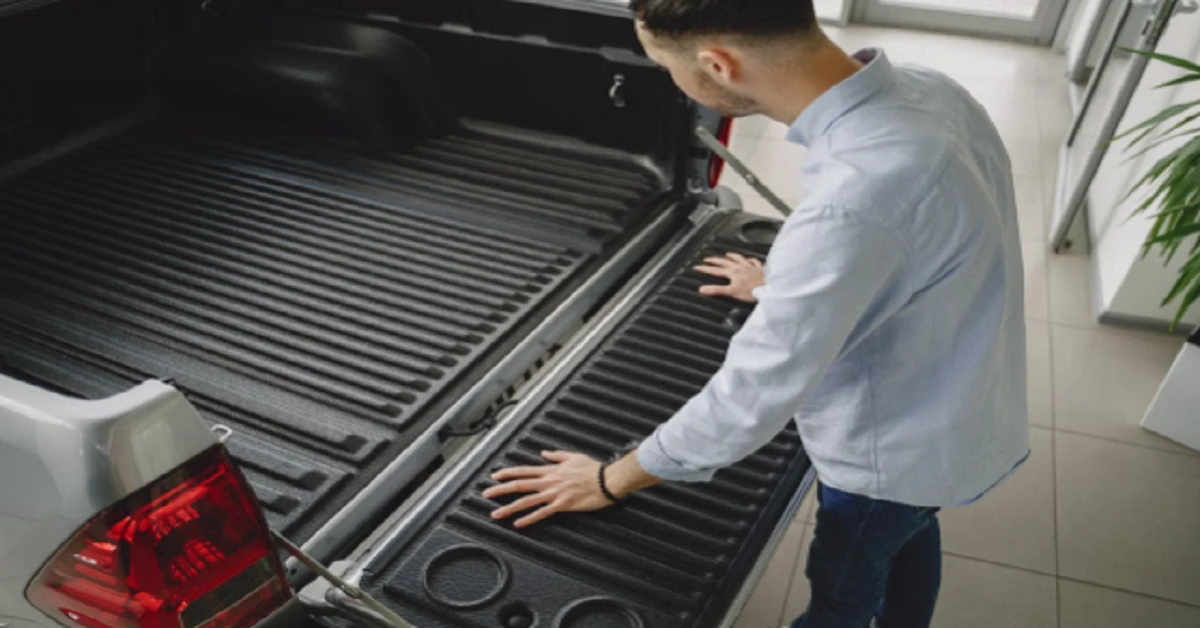
For businessmen, farm workers, and site builders, normal factory pickup beds usually create big working problems. Factory sheet metal beds get dented very easily when heavy machines hit them, lack enough points for tying irregular cargo, and limit loading access from the sides. Changing to a heavy-duty steel or aluminum flatbed converts a standard pickup truck into a very flexible working machine. Flatbeds completely remove inner wheel-well humps, giving a fully flat floor that allows loading with a forklift from three different sides while increasing total space for carrying loads.
Choosing the right replacement bed requires checking payload needs, material strength, and built-in towing options. When checking frame channel designs and integrated gooseneck hitch assemblies, looking at build details from commercial body fabricators like Iron Ox Products helps truck owners understand how cross-member spacing, headache rack strength, and durable powder-coat finishes keep trucks safe in tough work conditions. By understanding these structural parts of flatbed conversions, you can pick a setup that improves work speed and stands up to daily job site demands.
Primary Operational Advantages of Flatbed Conversions
Replacing a weak factory truck bed with a flatbed body gives quick practical advantages for commercial haulers.
Unrestricted Loading and Unloading
Factory beds force people to load cargo only through the rear tailgate door. A flatbed gives open access from both sides and the back, letting forklifts place cargo pallets straight onto the deck floor.
- Three-Sided Access: Simplifies the loading of wide items like hay bales, building supplies, and big machinery.
- Elimination of Wheel Wells: Gives a wider, smooth flat surface across the whole width of the truck frame.
- Increased Tie-Down Flexibility: Built-in perimeter rails and stake pockets give continuous hook points along the outer bed edges.
Steel vs. Aluminum Flatbed Construction
Picking between steel and aluminum flatbed materials depends on your truck payload limits, weather exposure, and budget.
Flatbed Material Decision Path:
- [Maximum Weight Capacity] ➔ [Steel Bed (Heavy-Duty Payload)]
- [Corrosion Resistance / Weight Saving] ➔ [Aluminum Bed (Lighter Weight)]
Steel Flatbeds
Steel gives maximum hit resistance and frame strength. It works best for heavy construction, carrying rocks, and hard farm jobs where the bed floor takes high weight points and heavy drops. Steel beds need quality primer and powder coating to stop rust over time.
Aluminum Flatbeds
Aluminum beds weigh about 30 to 40 percent less than steel ones, saving fuel and leaving more gross vehicle weight rating (GVWR) available for actual cargo weight. Aluminum naturally resists rust and road salt damage, making it very popular in cold northern areas and near the sea.
Structural Features to Look for in a Heavy-Duty Flatbed
A good flatbed body depends on strong frame supports beneath the floor to prevent bed bending and frame twisting under heavy loads.
Essential Structural Components
- Subframe Cross-Members: Look for channel iron supports placed close together (12 inches or less apart) to stop floor dipping under heavy machinery tires.
- Integrated Gooseneck Hitch Well: A sunken hitch ball space built straight into the subframe allows gooseneck trailer towing while keeping the deck floor flat when covered.
- Heavy-Duty Headache Rack: Welded pipe racks protect rear cab glass from moving loads while offering high anchor points for holding ladders.
- Enclosed Wiring Harnesses: Weather-sealed electrical junction boxes protect tail lights and trailer wiring from road mud, salt, and tire splash.
Integrating Auxiliary Storage Solutions
A flatbed setup opens useful empty space under the outer deck floor that works well for equipment storage.
Underbody Storage Accessories
- Underbody Toolboxes: Fixed directly under outer deck edges, these boxes hold chains, straps, and jacks without using floor space.
- Under-Deck Drawers: Sliding drawer systems built at the rear door area give safe storage for long hand tools, shovels, and small hardware.
- Stake Pocket Sides: Removable wood or steel side panels change a flat platform into a deep utility box for carrying loose gravel, mulch, or trash.
Flatbed Material Comparison Matrix
| Feature Category | Heavy-Duty Steel Flatbed | Heavy-Duty Aluminum Flatbed |
| Impact Resistance | Extremely High (Resists Dents) | Moderate (Prone to Scratches) |
| Material Weight | Heavier (Reduces Net Payload) | Lightweight (Maximizes Payload) |
| Corrosion Protection | Requires Powder Coat / Paint | Natural Oxide (Will Not Rust) |
| Initial Investment | Lower Upfront Cost | Higher Upfront Cost |
Upgrading to a heavy-duty flatbed body converts a normal work truck into a high-capacity utility vehicle made for fast loading, safe towing, and long working life. ٖFor more information, click here.